MOBILE USERS:
Be sure to pinch-and-zoom to see details.
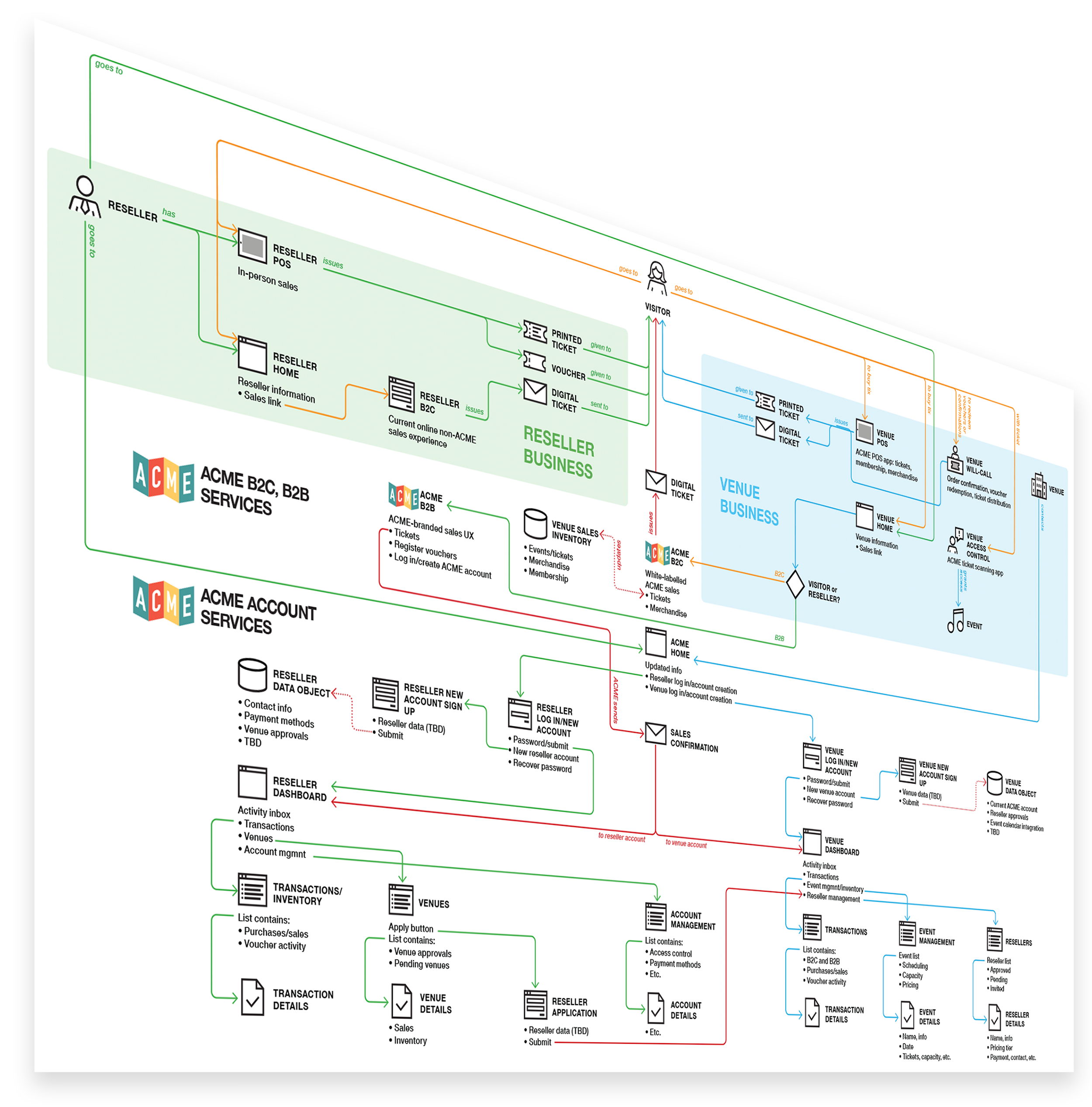
System design first.
Identify key components of the product’s technical and business environment; use models—not screens—to define how components interact and impact each other. AI doesn’t do system design (at least not yet) but use it to document results.
Product design second.
Specify how the user interacts with the product via UX widgets, voice, gestures, and hardware controls; screens are optional and don’t need to be pixel-perfect. Use AI to generate multiple, “good-enough” iterations to explore and test multiple use cases and scenarios.
Screens third.
Apply final text, colors, typography, editorial voice, and graphic styles to the product design. This step requires a human touch as it’s what the user will actually see.
Design is fundamental to every stage of the product process: product kickoff, development, launch, marketing and promotion.
I’m a product and systems design leader with deep experience building enterprise, AI-enabled, and regulated-platform experiences across fintech, healthcare, SaaS, IoT, and consumer technology in North America and EMEA.
I have proven success leading cross-functional product initiatives, scaling design organizations, implementing design systems, and aligning UX strategy with engineering, compliance, and business objectives.
I’ve been the first design hire at small companies and I’ve been brought in to revitalize and manage design teams at Fortune 250 companies. I work cross functionally and dive deep.
I build, mentor, and manage teams.
I’m an expert in end-to-end UX strategy, leadership, Design Thinking, platform architecture, user research, journey mapping, scalable design systems, and agile product delivery.
I design holistically and resist the urge to deliver screens without first understanding the broader product system.
I have experience translating complex technical and business requirements into intuitive digital experiences that improve adoption, operational efficiency, and customer satisfaction.
I engage with Development at a fundamental technical level. I’m a user advocate who advises Product Management on requirements and business strategy.
I use models of varying levels of detail to identify and resolve product issues before working on screens and icons.
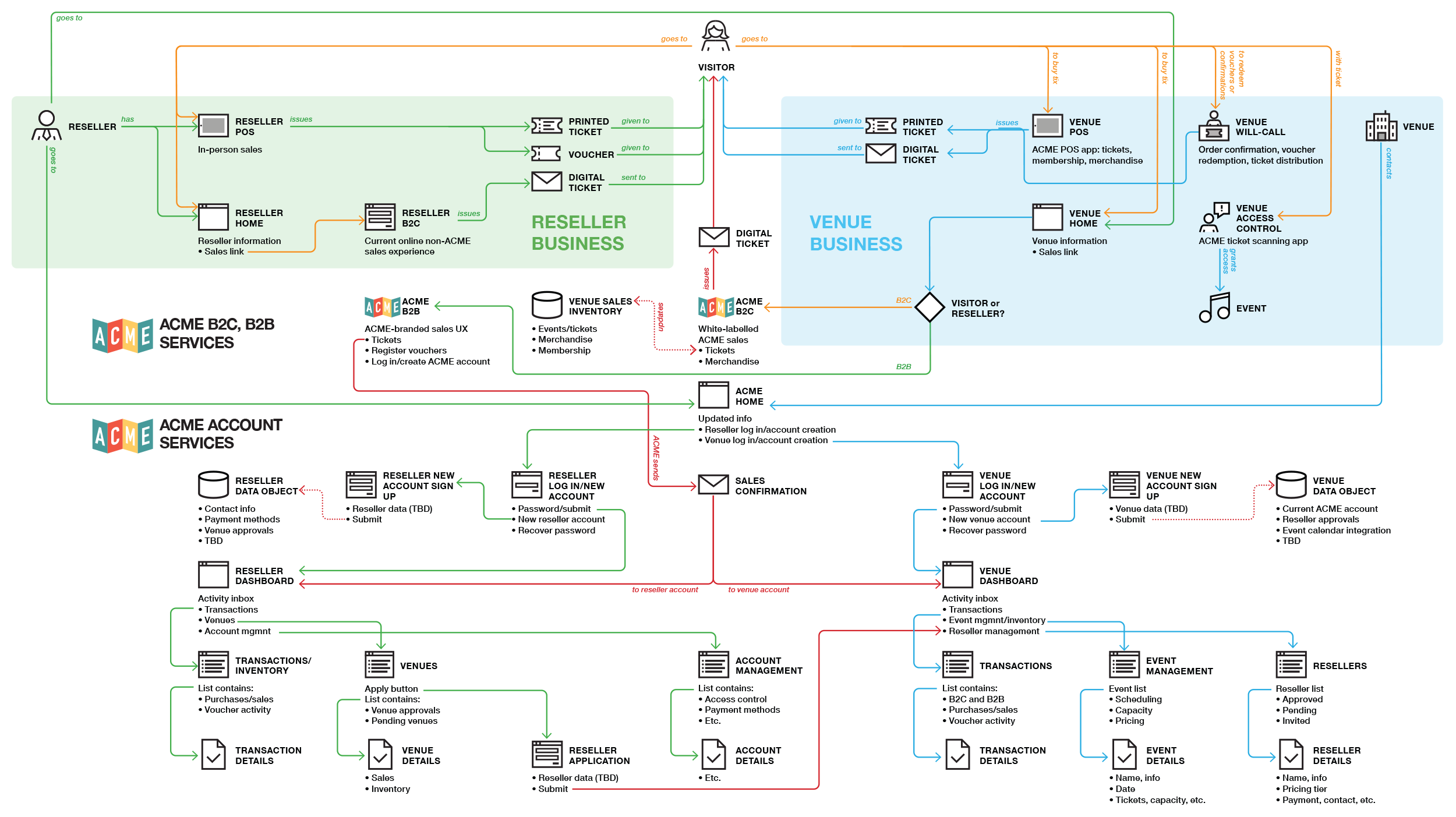
Systems Design▸
A designer has to be willing to work on a product’s backend system design in order to create a successful frontend user experience.
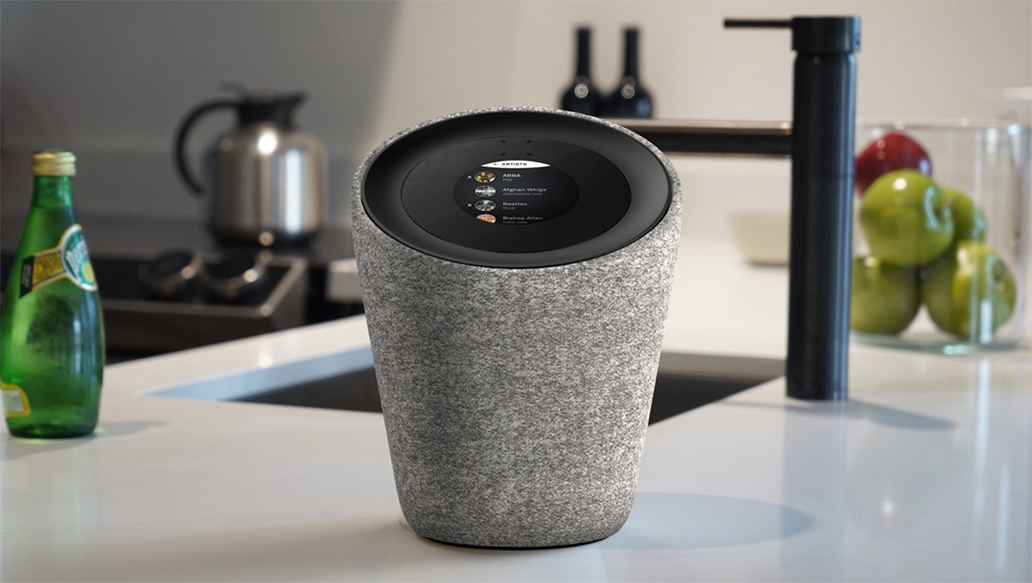
Product Design▸
A successful product design meets user requirements, fits within development constraints, and furthers business strategies.

Product & Project Management▸
Design timelines and deliverables can and must be integrated into larger product management processes. Doing design in parallel with development never works.
Team management and recommendations▸
I prioritize mentoring other designers. More than one designer has followed me from one company to another. Others have specifically thanked me for the skills I’ve taught them. I’ve been told I’m the “best manager I’ve ever worked for” a few times.
Ron’s extensive knowledge of product design and branding, coupled with his talent for ideation and strategic thinking, sets him apart from even the most elite professionals in the UX field…
Durk Stelter, CEO and entrepreneur▸
Ron is the best manager I’ve ever worked for…after he hired me at NetObjects, I followed him to Amazon, Avaya, and Palm. His passion for great design becomes an inspiration to his team…
Adam Donkin, Product lead and executive coach▸
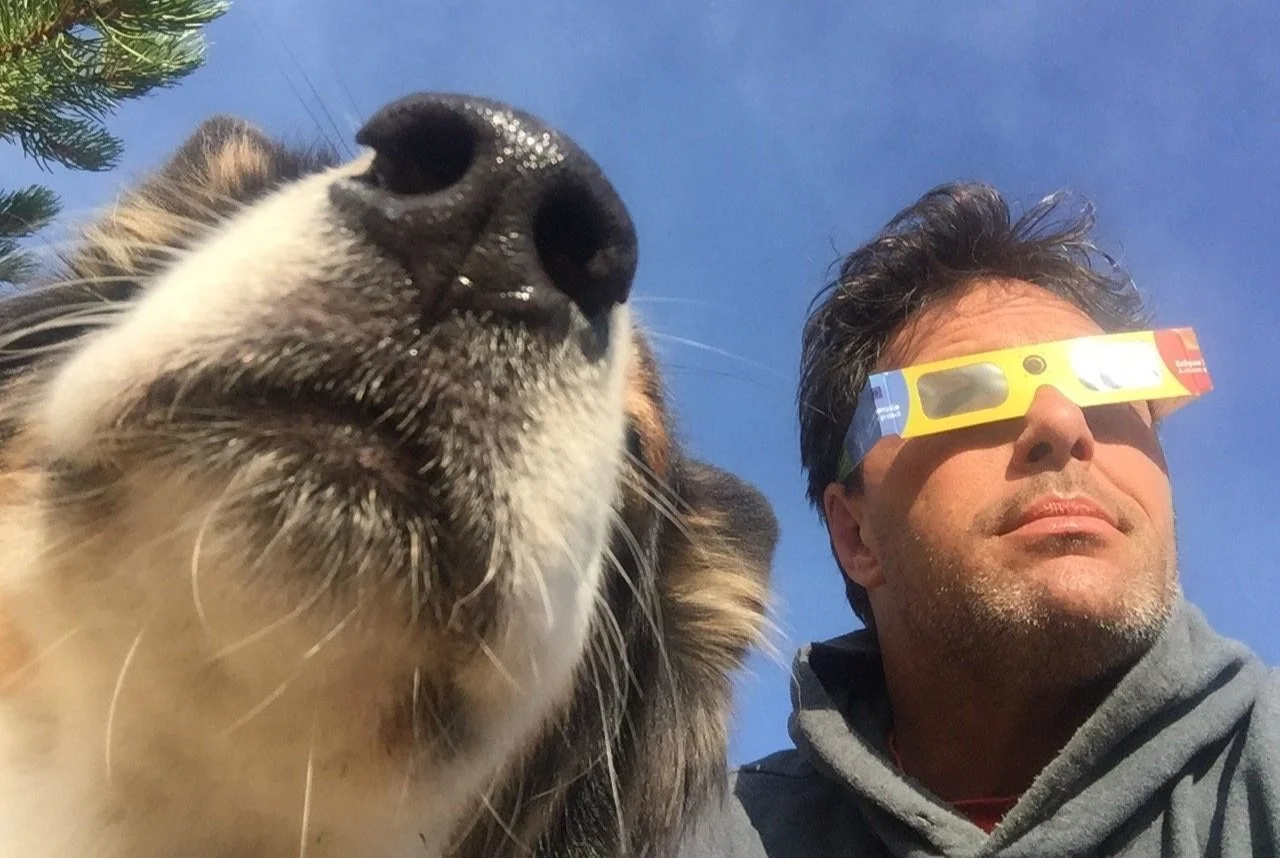
Dog person▸
My dogs and I normally do not look at the sun. But when we do we wear appropriate eye protection.
Great American Eclipse
August 21, 2017
Ochoco National Forest, Oregon